My bathroom cabinet in South Austin keeps a steady climate, and a suitcase keeps none of it — that gap is the entire problem with hauling oral probiotics through airports, rental cars, and hotel bathrooms on work trips. Travel wellness and microbiome maintenance rarely show up in the same sentence, but after enough trips with a pocket full of lozenges, they started to feel like the same skill wearing different clothes.
One confession before the actual questions: there was a stretch of tongue scraping with a stainless steel scraper after every single meal, on the theory that more scraping meant a cleaner mouth. All that does is strip away the very colonies worth growing, which is a rough thing to figure out right before a trip, when there's no slow week at home to let anything recolonize. The short version of everything below: heat and moisture wreck a probiotic faster than anything else on the road, hotel mouthwash undoes the whole point, and the fix for both is boring — better packaging, fewer chemical shortcuts, and doing it again the next day regardless.
Does Heat in a Hot Car Actually Kill Live Bacteria?
Yes, more reliably than almost anything else that happens to a probiotic on the road. Live strains lose potency in warmth the way a sourdough starter goes flat after an afternoon in direct sun — the change is invisible until the results show up later. There's no thermometer riding along in a dopp kit, so exact numbers aren't something to hand out here, but the working rule is simple: if a car or a trunk is too hot to leave a phone in, it's too hot for a probiotic too (the phone test isn't scientific, but it's never once been wrong). Most travel lozenges lean on Streptococcus salivarius strains, and the K12-versus-M18 debate over which one holds up better on the road is real, though that's a rabbit hole for a different post than this one.
What My Actual Packing List Looks Like
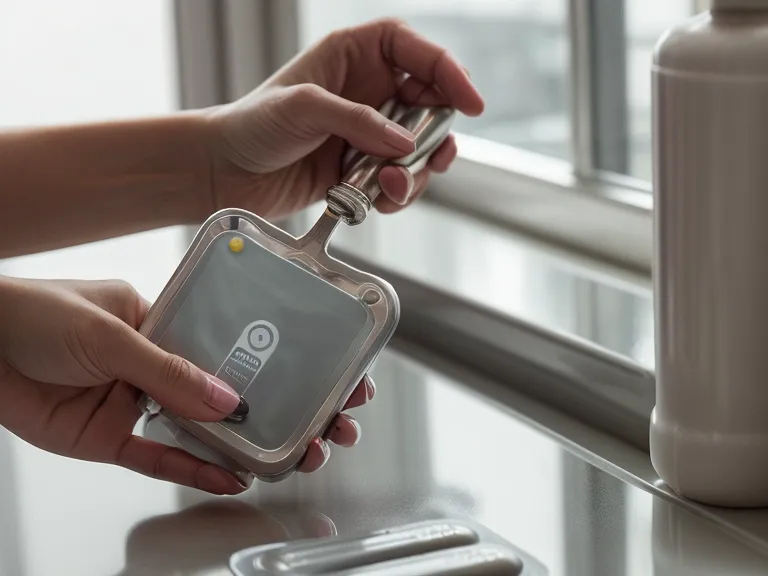
Blister-packed tablets go into the travel bag; the loose powders and glass jars stay behind in the cabinet at home, right next to a whiteboard nobody else in the house understands, scored with brand names in dry-erase marker. That cabinet has turned into its own quiet graveyard of half-finished bottles over time — there's a whole separate post about that particular mess — and travel format is the one lesson it actually taught well.
Value per CFU crosses mind while packing too, though a work trip is rarely the moment to switch brands just to save a little money — familiarity wins over savings once a flight is involved. Xylitol shows up in a lot of these formulas, and pairing it with live strains seems to help them settle in faster, though that combination deserves its own write-up eventually. Timing plays a role as well — chugging water right after a lozenge dissolves rinses away more benefit than most people expect, though that's more a bedtime-routine detail than a travel-specific one.
The TSA Conversation Nobody Warns You About
Security lines are where this whole hobby turns socially awkward. Explaining to a TSA agent that a foil-lined pouch holds live bacteria — and that the exact Colony Forming Unit count surviving the flight actually matters — earns a look somewhere between confusion and mild concern (one agent clearly assumed the worst before "probiotic" registered as a word he recognized). The practical answer is that lozenges and tablets get treated like any other solid supplement: no liquid restrictions, no extra screening beyond a standard bag check in this experience. Loose powder in a large jar draws more questions than a sealed strip of tablets ever does.
Should You Reach for Hotel Mouthwash After a Long Flight?
No — and this is the question with the most consistent answer of the bunch. That little bottle of blue rinse by the hotel sink resets everything in the mouth, good bacteria included, which undoes the balance the whole probiotic routine is built around. There's a longer piece on this site about rebuilding a microbiome after that kind of reset, and the reseeding process it describes is its own multi-step thing, too long to retread here. The short version for travel: skip the antiseptic rinse, brush without it if that's the only option in the room, and give the lozenge an hour of breathing room on either side.
How Do You Know Anything Survived the Trip?
There's a handful of signs that suggest a colony actually took hold, and travel just forces more attention onto them than usual. The clearest one: grabbing a sparkling water straight from a hotel mini-fridge and drinking it down without that jolt of sensitivity that used to be automatic. No lab test involved, just a glass of cold water that used to hurt and stopped.
Taste is another signal, and this is where Nadia Holm has the advantage — a reader from a few miles over who catches flavor notes in a dissolving lozenge that go completely unnoticed otherwise (her palate has picked up things mine never once has). Over coffee on South Congress once, she described a chalky mint haze that settles across the tongue right as a tablet is half gone, just ahead of the stronger mint kicking in, and swore it meant the coating was breaking down at the right pace. That's more her palate than any objective measurement, but it lines up with what the colonization-signal write-ups on this site generally point to: texture and taste changes as the least scientific, most reliable early clue.
Microbiome Maintenance That Doesn't Ask for Perfection
None of this required a lab-grade setup, just fewer excuses for skipping days. A few strains probably don't survive a rough trip no matter how careful the packing is, and continuing the routine once home beats treating one bad flight like a total reset. Luz Navarro, a neighbor a few doors down, put it better than any of the reading ever did: she grows her own herbs and has spent enough time watching which ones the stray cats around the block turn their nose up at to think of bacteria the same way — some are welcome tenants, some just aren't, and the job is managing who gets to stay rather than evicting everyone the moment things feel off.
That framing is the one that actually stuck through every trip since. Heat gets managed, TSA gets a shrug and an honest answer, hotel mouthwash gets skipped, and the tablets keep making the trip in a blister pack instead of a jar. Is it a little much to plan a carry-on around bacteria? Probably. Does it keep working? So far, yes. It's not a perfect system, and a rough stretch of travel still knocks a few things sideways, but showing up again the next morning with the same small handful of tablets counts for more than getting any single day exactly right.