
Roughly 700 species of bacteria live in a healthy human mouth, and for years I did my level best to wipe out every one of them each morning with a shot of neon-blue rinse. My dentist mentioned, almost as an aside, that alcohol-based mouthwash kills the good bacteria right along with the bad, and that offhand comment turned into a genuine obsession with the oral microbiome — the kind of dental-health rabbit hole where casual probiotic reviews and supplement testing eat your evenings, and it eventually swallowed a chunk of counter space with half-used bottles. I'd been treating my mouth like a surface to disinfect when I should have been treating it more like a fish tank or a sourdough starter, something you maintain instead of nuke.
Quick disclosure before we get into the weeds: this site runs on affiliate links, including a couple below, and if you buy something through one I earn a small commission at no extra cost to you. Everything here comes from bottles I've actually opened and tablets I've actually dissolved — this is personal testing, not clinical research. I'm not a dentist, a microbiologist, or any kind of health professional, just someone who spends lunch breaks testing dental supplements and reading labels, so check with your own dentist before you change your routine.
What Was I Actually Killing Every Morning?
The oral microbiome behaves less like a battlefield and more like a garden bed you tend rather than clear-cut. Alcohol-based rinses don't discriminate between the troublemakers and the bacteria quietly doing useful work, and one of the more surprising things I read early on was that those same rinses can interfere with your body's production of nitric oxide, which matters well beyond your gum line. Killing off that much of the neighborhood every morning is a strange way to chase fresh breath, and getting the balance back afterward takes longer than most people expect — a topic that could fill its own post, honestly.
Hydrogen Peroxide Rinses Never Delivered
Before I landed anywhere near probiotics, I tried the folk-remedy route: diluting hydrogen peroxide from the brown bottle in my medicine cabinet and swishing it around most mornings, the way a forum thread had sworn by. It didn't do much of anything I could point to. No dramatic before-and-after, just a faint chemical taste and a routine that felt more like penance than progress. I dropped it after a couple of weeks, filed it under things that sound smarter than they are, and kept reading.
The Cabinet That Became My Testing Lab
My actual testing setup is embarrassingly low-tech: a home office in South Austin with a bathroom vanity two steps away, which is about as close to a lab as this operation gets. The medicine cabinet above that sink is cluttered enough that I've started leaving sticky notes on the mirror just to track which lot number I'm testing and how long a given tablet takes to fully dissolve. A few feet away, my standing desk carries more foil granola-bar wrappers than I'd like to admit, and a whiteboard propped against the wall keeps a running set of columns comparing brands in marker that's mostly worn off by now. More than once a coworker on a video call has squinted at that whiteboard in the background, trying to figure out what kind of chart a normal person keeps updated by hand.
ProDentim: My Probiotic Review Notes
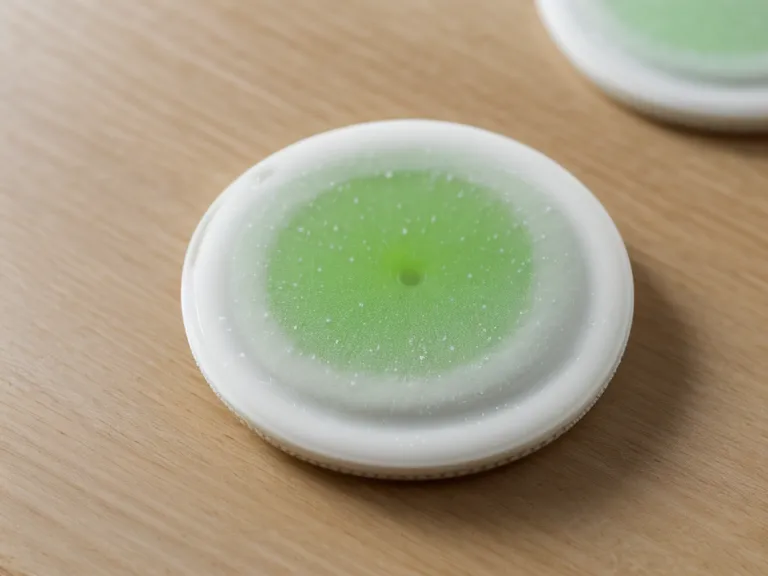
Once I'd narrowed things down to specific strains instead of just chasing a mint blast, I started paying attention to which products actually named their bacteria — the ones built around something like Lactobacillus reuteri, which sticks around in the mouth and keeps troublemakers in check instead of rinsing straight through. That's when ProDentim became the one I kept coming back to. What separates it from the generic tablets I'd tried earlier is the delivery: a dissolvable tablet with 5 named probiotic strains and 3.5 billion CFU total, meant to sit against your cheek rather than get swallowed and forgotten. I let it melt slowly during my late-afternoon stand-up most days, half-listening to a sprint update while wondering if my coworkers assume I'm just perpetually eating candy on camera.
Which strain does what is a deep enough topic that it deserves its own writeup — the short version is that not all of them behave the same way once they're actually in your mouth, and picking blind is a bit like buying seed packets with the labels torn off. Timing turned out to matter almost as much as the strain itself; dissolving a tablet right before a big glass of water more or less defeats the purpose, which is its own rabbit hole I won't get into here. And if you want to do the math on cost per dose across brands, that's a worthwhile exercise, though not one I can do justice to in a single paragraph.
A few months into using ProDentim consistently, I noticed something I hadn't expected. Usually, after a few cups of coffee, my teeth pick up that fuzzy film that means the biofilm's getting ahead of me, but with a steadier microbiome routine, that fuzziness took much longer to show up. If you want the fuller comparison of how this stacks up against a standard rinse-and-repeat routine, I've written more about trading blue mouthwash for probiotics elsewhere on the site.
Tracking the Small Signals Over Seven Weeks
Kenji, a coworker on my remote engineering team who has taken to keeping an actual running tally of my predictions versus what really happens, started asking real questions around week seven, mostly because the tally was finally leaning in my favor. Around that same week, during a conversation with someone standing close enough that I'd normally angle my head away out of habit, I just kept talking. No half-step back, no turning to the side mid-sentence. I only put it together afterward, halfway around a loop at Mueller Lake Park.
Seven weeks is nowhere near a full reseeding protocol — the more thorough version of that stretches out much longer, and I'll save the full breakdown for another post. But it was enough to notice a pattern instead of a one-off good day. There's a whole list of smaller colonization signals people look for beyond breath, some of it bordering on reading tea leaves, and I'd rather track two or three consistent ones than chase every signal I read about on a forum.
Does This Work the Same for Everyone?
Somewhere in all that lunch-break reading, I ran into a perspective that stopped me short: for people with compromised immune systems, including anyone going through chemotherapy, the oral microbiome isn't a hobby, it's a literal frontline against systemic infection. For someone like me — healthy, and just running experiments out of curiosity — testing 3.5 billion CFU tablets is low stakes and mildly nerdy. For someone in a much more serious situation, introducing new bacteria without medical guidance can carry real risk. It reinforced something I should have already known: my ProDentim routine works for my situation, not everyone's, and treating any oral-health approach as one-size-fits-all is a mistake. If you're dealing with a serious medical condition, loop in your specialist before changing anything about what's living in your mouth.
The Cabinet Finally Makes Sense
A reader named Tomás, who emails me updates from Phoenix most months, once asked a genuinely tricky question about whether altitude affects how long these strains stay viable in a bottle, which sent me down a side path on storage and shelf stability that I still haven't fully closed out. It's a good reminder that this stuff behaves differently depending on where and how you keep it, not just which brand you buy. I've also been reading into how xylitol and probiotics work together, since it seems like a reasonable way to make cavities less welcome without evicting the bacteria doing good work.
If you're still nuking your mouth every morning with something that promises to kill 99% of everything, take a look at the ingredient label. Alcohol near the top of that list means you're probably clearing out the same neighbors keeping your breath fresh and your gums calm. None of this fixes itself overnight. It's closer to growing a lawn than repainting a wall. But the one thing I'd actually tell someone starting from scratch is this: track one or two specific things, not everything, for at least a few weeks before deciding a product isn't working, because the signal shows up slower than the marketing promises. For anyone ready to start, ProDentim is still the tool I reach for first when I'm rebuilding that balance from scratch.