
A twice-daily blast of alcohol-based mouthwash and a slow-dissolving probiotic lozenge are doing the exact opposite job in your mouth, and for most of my life I only understood one of them. My dentist mentioned, almost as an aside while adjusting the overhead light mid-cleaning, that my beloved rinse was probably taking out the very bacteria my body depends on to keep the peace. That one comment kicked off a stretch of reading and product testing that's run about a year and a half now, dragging me from someone who loved a burning mint aftertaste toward someone who actually thinks about oral-microbiome balance and basic dental-health habits most people never question.
Working remotely in a tech job leaves a strange amount of time to turn a bathroom shelf into a research project. Somewhere in that first month I got stuck on the fact that your mouth hosts a genuinely large cast of bacterial species, all competing for the same real estate, and dumping a high-alcohol rinse over the whole crowd twice a day doesn't count as a targeted eviction. It's closer to draining a fish tank and refilling it with bleach — the water looks clear, sure, but good luck finding anything alive in there afterward.
Reading Probiotic Strain Labels Instead of the News
Lunch breaks became less about news feeds and more about reading up on specific probiotic strains, which turned out to be its own rabbit hole. There's an entire comparison to be made between strains like K12 and M18, and I'm saving that one for another post entirely, because trying to cram strain-picking logic into this story would bury the point. What stuck with me is that some of these bacteria are basically native residents of the mouth rather than invaders, and most modern routines are built to treat them like squatters anyway.
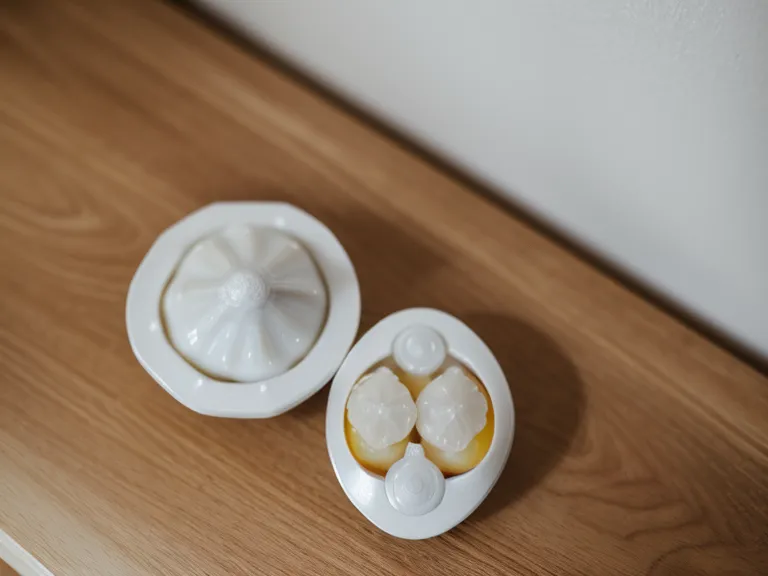
The lozenges themselves take some getting used to. You let them dissolve slowly against your cheek instead of swallowing, since the whole point is contact time rather than delivery — I'd sit at my desk running through a spreadsheet with a chalky, faintly fruity tablet parked in my cheek (a strange thing to be doing mid-meeting, honestly), half-amused that a colony of bacteria was hunting for real estate in my mouth while I argued with a pivot table.
Not every experiment earned its keep. The one that flopped hardest was mixing up a homemade rinse from a plain brown bottle of drugstore hydrogen peroxide, because some forum thread swore by it for freshening breath — it left my gums stinging for the better part of a week and taught me nothing except that a mild chemical burn isn't the same thing as progress.
Trading Sterilizing for Seeding
By last autumn, the shelf that used to hold one blue bottle and a tube of paste had turned into a small graveyard of half-used probiotic containers — powders, chewables, slow-dissolve tablets, the works. Somewhere in there I stopped thinking about killing bad breath and started thinking about seeding a landscape instead, which sounds a little precious until you've tried growing anything through an Austin summer and realized it's never really about how hard you attack the surface.
Once I committed, I mapped out something close to a twelve-week reseeding plan for myself, which I detail more in the piece on rebuilding my mouth's ecosystem, and figuring out the right mix of prebiotic fiber and mechanical cleaning took longer than expected. Somewhere in that same stretch I also started caring about shelf-stability, since more than one of these products needed refrigeration I couldn't guarantee while traveling, and I began doing rough price-per-CFU math in my head just to see which bottles actually earned their spot on the shelf.
What Changed Around Week Five
Around week five, I flossed after dinner out of habit, held the strand up under the kitchen light the way I always do, and realized this was the fourth night running without a single thin red line on it. That's it. That's the whole revelation — no fireworks, just an absence of blood that took me a second to even register as good news, and how much of that was the probiotics versus just eating slightly better, I honestly can't say for certain.
There's a whole list of small tells like that one, the kind of thing I later saw catalogued elsewhere as signs a probiotic is actually colonizing rather than just passing through, and pairing the lozenges with xylitol turned out to matter more than I expected — though that pairing is a big enough topic on its own that I won't try to unpack the chemistry here. What I will say is that going cold turkey off mouthwash and straight into probiotics has its own rough patch, a stretch of weeks where your mouth genuinely doesn't know what it's supposed to taste like anymore.

Not Everyone Believes You
My coworker Kenji Okafor spent an entire team call teasing me about the lozenge dissolving in my cheek mid-meeting, calling it my daily vitamin ritual in the most unconvinced tone possible. Months later I noticed the same brand's packaging in a screenshot he sent me for something unrelated, and when I asked about it, he mumbled something about "just trying it for two weeks, no big deal" and changed the subject fast enough that I knew exactly what was going on.
Timing Is Its Own Small Science
Timing turned out to be its own small science. I used to rinse right before bed and then chug a full glass of water, which was basically flushing expensive probiotics down the drain before they had a chance to settle in — common enough a mistake that I wrote a separate piece on the bedtime buffer for anyone else making it.
What's Worth Remembering
That shelf looks different today than it did eighteen months ago — less a pile of half-used bottles and more a rough map of what actually helped, which is the same shift I described in an earlier post about moving beyond the burn, and it's only gotten truer since. A reader named Tomás Vega, who emails me from Phoenix pretty much every month with an update, tests exactly one variable at a time before changing anything else, a level of discipline I find both admirable and mildly exhausting to watch from the outside.
If there's one thing worth taking from all of this, it's that: change one variable, give it real time before judging it, and resist the urge to declare victory or defeat after four or five days just because that's how long your patience usually lasts. Everything else — strains, timing, price-per-CFU spreadsheets — is just detail on top of that one habit.