
I'm three laps into a loop around Mueller Lake Park, only half-listening to a colleague vent about a broken build, when I notice I haven't turned my head away once. Old me would have angled my chin toward the water the second the conversation got close — a reflex left over from years of not trusting my own breath. This time, I didn't. That reflex disappearing is the whole reason I've sunk something like four hundred and twenty dollars into oral probiotics since a dentist offhandedly mentioned that my mouthwash was scrambling my oral microbiome more than it was fixing anything, and it's also the reason I now own a whiteboard dedicated entirely to bacteria.
Short version, since I hate when articles bury the point: it worked, though not in the dramatic "new me" way the ads promise, and not without a stretch of disappointment first. This is personal testing on one guy's mouth, not a clinical trial, so treat everything here as a data point and not a verdict. I'm not a dentist, a microbiologist, or a tech worker secretly qualified to hand out health advice — I'm just someone in Austin who reads ingredient labels during lunch breaks and got curious about the oral microbiome after one offhand comment turned my whole routine into a question mark.
What Started With a Mouth Full of Mint
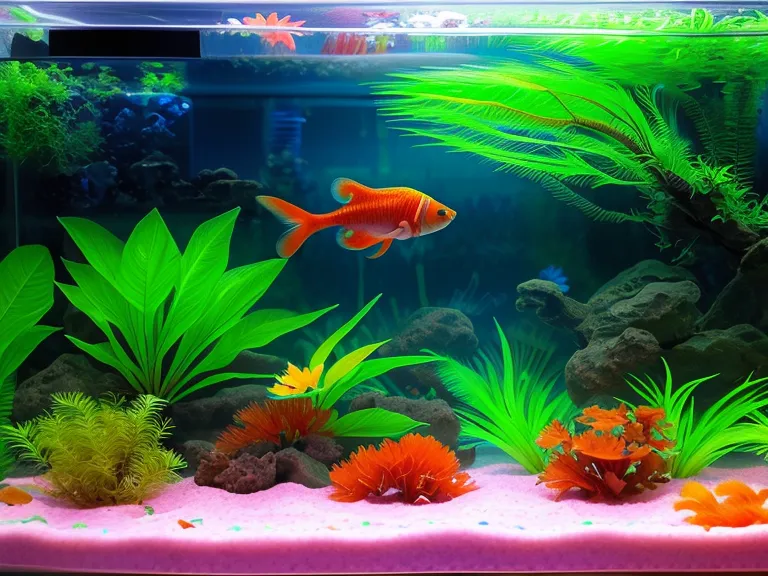
The image below is about as close as I've got to a mental model for the whole thing: a fish tank that gets murkier the more aggressively you try to sterilize it, because the good bacteria get wiped out right along with the bad.
For about a year before any of this, my routine was twice-daily Listerine Cool Mint — the original alcohol formula, the kind that stings enough to feel like it's doing something. It wasn't, not really; my breath problems and that general "off" feeling stuck around no matter how aggressively I rinsed. The general issue with rinse-and-kill mouthwash is that it doesn't distinguish between the bacteria causing trouble and the ones actually helping your oral microbiome, and that's a bigger topic than I'll get into here. I've written elsewhere about reforesting my mouth after a lifetime of scorched-earth mouthwash, but the short version is that swapping one product for another wasn't a fix — it just stopped the bleeding.
Reading Labels Like Spec Sheets
My standing desk — currently home to a laptop and a handful of foil granola-bar wrappers I keep meaning to toss — sits two steps from a pedestal sink with a medicine cabinet crammed full above it, and by now my Austin bathroom cabinet is a graveyard of oral probiotics with its own filing system. Prop a whiteboard against that same wall, though, and you'll find it covered in marker columns comparing every brand I've run through (yes, a whiteboard, for bacteria), and the mirror above the sink carries sticky notes listing lot numbers and how long each tablet took to dissolve, because that's apparently a thing I track now. Buried in that mess is one lesson worth passing on without turning it into its own essay: the specific bacterial strain on a label matters more than the raw CFU count printed next to it. Shelf life turned out to be its own quiet variable too — a probiotic that spent months in a hot warehouse is basically a bottle of dead weight, though that's a rabbit hole for a different post.
The Neighbor With the pH Chart
None of this started with me, really. My neighbor Luz Navarro is the one who first got me thinking of bacteria as tenants instead of invaders, back when she was cultivating a kombucha SCOBY on her counter and I still thought "good bacteria" was a marketing phrase. She keeps a laminated pH chart taped to her fridge and will quiz you on it if you linger by her mailbox too long. There's a whole structured approach to reseeding a mouth that's been stripped bare, with its own sequencing and timeline, and that deserves a proper write-up rather than a paragraph here. What I can say is that there are real, noticeable signs your mouth is starting to hold onto the bacteria you're feeding it instead of just rinsing them down the drain, though I'll save that full list for later too.
A Necessary Reality Check About Oral Probiotics
Nothing here replaces an actual dental visit, and I want to say that plainly before going further. I have no medical training, and the closest thing I have to a credential is stubbornness about reading primary sources during lunch. Oral probiotics, in my experience, work as a maintenance tool for mouths that are already reasonably healthy, not a rescue plan for oral health problems that need a professional. If something actually hurts, that's a dentist's job, not a supplement's.
Did Six Weeks Actually Change Anything?
Somewhere around week six, my teeth stopped feeling coated by mid-afternoon, which sounds small until you realize how much of the day I used to spend running my tongue over that fuzzy layer without registering I was doing it. I don't know if six weeks means anything in a clinical sense — it's just what landed on the whiteboard, and I'm wary of turning one guy's timeline into a universal rule. What I do trust is the moment at the park: I'd stopped angling my head away mid-conversation, a habit so old I hadn't noticed it was a habit at all.
A reader named Nadia Holm messages me now and then to compare notes, and she swears the tablets taste different depending on how much coffee she's had that afternoon, which tracks with the general advice to leave some space between eating or drinking and taking the thing at all. Xylitol showed up in most of the products that actually worked for me, and pairing the two seems to matter, though that pairing deserves its own explanation more than a sentence buried here.

It's a bit like a sourdough starter that way — it either smells clean and alive or it doesn't, and eventually you stop needing a chart to tell the difference.
What I'd Tell a Friend Starting Out
If you're staring at a shelf of options, my actual advice is boring: pick one reputable product, use it consistently for at least a month, and don't change anything else about your routine while you're testing it. There's a whole way of comparing products by cost per CFU rather than sticker price, which gets useful once you're down to a couple of finalists, but it's not where I'd start. Four hundred and twenty dollars in, the real lesson wasn't which brand won — it was that I kept switching products every couple of weeks out of impatience, which meant I never actually gave most of them a fair test. Pick one, give it real time, and change a single variable at a time. That's the whole method, and it has done more for me than any single bottle on that shelf.