
A capful of alcohol mouthwash and a chalky little ProvaDent probiotic tablet are supposed to solve the same problem — that filmy, fuzzy coating your teeth pick up by mid-afternoon — but they attack it from opposite directions. The mouthwash burns, so it feels like it's stripping everything down to bare enamel. The tablet does nothing dramatic at all; it just sits under your tongue dissolving while it tries to reseed your oral microbiome instead of nuking it. I used to assume quieter meant weaker. That assumption is the whole myth this review is here to correct, and the short version is this: ProvaDent doesn't erase the fuzzy feeling the way a mouthwash blast fakes you into believing it should. Instead, it changes what causes it, which is a very different kind of working.
Quick disclosure before we get into it: this site runs on affiliate links, and if you buy through one of mine, I earn a small commission at no extra cost to you (though my ad-blocker still gives me a dirty look sometimes). I only write about products I've actually dissolved under my own tongue during this whole oral-microbiome rabbit hole — full transparency policy here.
Fuzzy Teeth Don't Mean What You Think They Mean
Here's the myth: that fuzzy film means bacteria are winning, so the fix is to blast it into oblivion with the strongest mouthwash on the shelf. I believed that for longer than I'd like to admit, and I wrote about the fallout in The Morning I Stopped Scorching My Microbiome. The fuzz isn't a sign that you're failing. It's just what a biofilm looks like at a certain point in its daily cycle, and torching the whole colony every twelve hours doesn't clear the lot. It clears it for whichever bacteria can regrow fastest, and that usually isn't the crowd you wanted back.
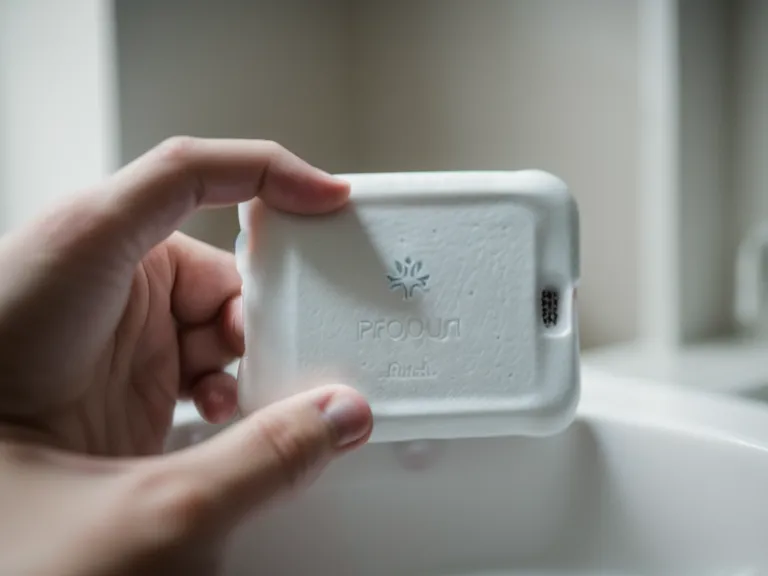
My dentist mentioned, almost as an aside, that mouthwash kills the good bacteria right along with the bad, and that offhand comment sent me down a research hole I still haven't fully climbed out of. The oral microbiome is the second most diverse microbial community in the human body — something like 700 species living on and around your teeth — and treating all of them as the enemy is a bit like clear-cutting a forest because a few trees have aphids. Most of the conversation around oral probiotics skips straight past that balance question and jumps to which bottle has the biggest number on the label, which is exactly backwards.
How Does ProvaDent Try to Fix This?
Think about a fish tank that's gone cloudy. Nobody dumps bleach in and calls it a day — you check the filter, balance the pH, maybe add a starter culture to get the right microbes established again. ProvaDent is built around that same logic for your mouth: instead of stripping the environment bare, it tries to reseed it with specific bacterial strains and let them crowd out whatever's causing the grit and the bad breath.
I started testing ProvaDent on one of the humid stretches Austin does so well, the kind where I'd rather be walking the loop at Zilker Park than sitting at my desk, and I wanted to see whether it could hold up against my longtime default, ProDentim. My coworker Kenji, who keeps an actual running tally of my predictions versus what actually happens with these things, bet I'd cave and go back to ProDentim before the bottle was half empty. I wasn't ready to concede that yet.
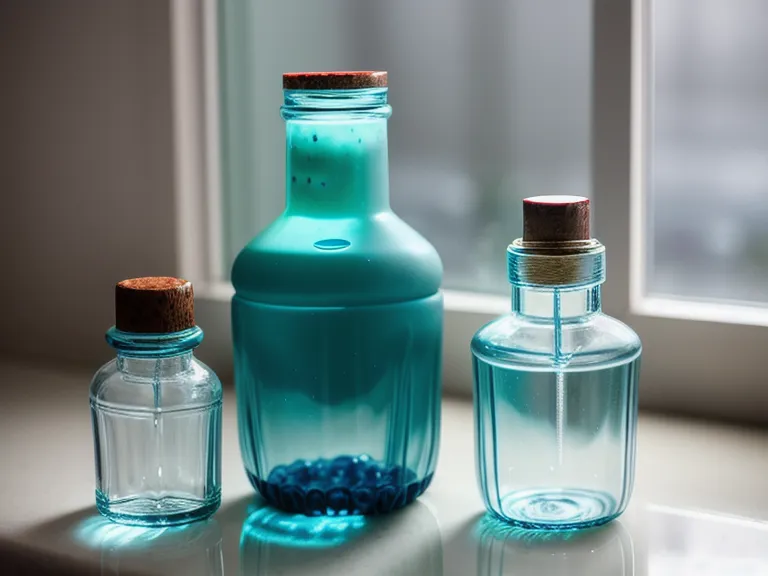
Taking a ProvaDent tablet became a small daily ritual — it feels like a piece of dry chalk dissolving slowly while I'm deep in a spreadsheet, more functional than minty, closer to a sourdough starter for your saliva than a candy mint. During my research I noticed ProDentim advertises roughly 3.5 billion colony-forming units in its formula (a number that sounds more impressive than it might actually be), while ProvaDent leans harder on which specific strains it includes instead of stacking the raw count. That's a real fork in philosophy — more CFUs sounds like more firepower, but once you're past a certain floor, strain selection probably matters more than the headline number.
After the tablet dissolves, I stick with the best fluoride-free toothpaste to pair with probiotics instead of anything foaming and aggressive, mostly because pairing the two felt like giving the new bacteria a fighting chance at steadier dental health instead of undoing the work five minutes later.
The Probiotic Paradox: When More Isn't Better
There's a part of the probiotic paradox that rarely gets said out loud: products like ProvaDent can backfire if your mouth's ecosystem is already doing fine on its own. Dropping a fresh batch of strains into an already-stable environment can knock things around instead of helping — the aquarium version is adding a new species to a tank that was already balanced and watching the whole thing wobble before it settles again.

If you've spent years pouring alcohol-based mouthwash into your mouth twice a day, your oral "lot" is probably closer to empty, and something like ProvaDent or ProDentim will feel like a real shift. If you're already somewhere in the middle of that spectrum, you have to be more careful about over-seeding — check with your own dentist before adjusting a supplement routine, especially if you've got existing gum issues. That caution isn't boilerplate; it's the one piece of advice in this whole review I'd never skip.
The Testing Details That Actually Convinced Me
Before ProvaDent showed up in my cabinet, I went through a stretch of oil pulling with coconut oil for thirty minutes every morning, swishing it around while I made coffee and answered emails one-handed (multitasking at its most undignified). It didn't do much I could actually measure. My breath held up fine, but the fuzzy afternoon film showed up right on schedule anyway, and I eventually gave up treating my mouth like an engine I could flush clean and went looking for something that worked with the bacteria instead of around them.
Something shifted at some point, though I couldn't tell you the exact moment I first noticed it. My wife kissed me goodbye on her way out the door one ordinary morning — no half-turn to avoid getting close, no quick peck aimed at missing my mouth, just a normal kiss like there was nothing to dodge anymore. That's when it actually registered that something about my mornings had changed.
A reader named Tomás emails me every month or so with his own progress notes. He's in Phoenix, and he asks genuinely hard questions — like whether the CFU count on a label still holds up after a bottle sits in a hot mailbox in triple-digit heat. That question is basically why my bathroom doubles as a small lab: a whiteboard leans against the wall with brand comparison columns tracked in dry-erase marker, and the mirror's edges are lined with sticky notes logging lot numbers and how long each tablet takes to dissolve. It's not glamorous. It's the only way I've managed to keep three or four probiotic brands straight in my head at once.
Did It Actually Kill the Fuzz?
So does ProvaDent actually fix the fuzzy-teeth feeling, or just relabel it? Both, a little. The film still shows up by the time I'm deep into an afternoon of back-to-back calls — that part never fully disappears for me, mouthwash or not — but it's thinner, and it doesn't come with the sour breath that used to bug me by the end of a long day. Compared side by side with ProDentim, ProvaDent held its own on the breath front, though ProDentim still edged it out on that all-day clean sensation by dinnertime. I can't fully explain that gap, and I'm skeptical of anyone who claims they can from a blog post.
If you're trying to judge whether an oral probiotic is doing anything at all, stop checking for a burn or a tingle — that's mouthwash logic, and it doesn't apply here. Track your breath by early evening instead, and pay attention to whether the film feels thinner rather than expecting it gone entirely. That's the honest signal, not some dramatic overnight transformation.

Where ProvaDent Earns a Spot in the Cabinet
Where does ProvaDent land for me? It's a legitimate second option once you understand the myth it's actually fighting — the idea that oral health is a kill mission instead of a maintenance one. I mapped out that whole shift in thinking, cabinet chaos included, in The Austin Tech Worker's Guide to Oral Probiotics, if you want the longer version of how I got here.
For a starting point, ProDentim is still what I reach for most mornings, and it remains my default recommendation for most people chasing steadier dental health and that all-day clean feeling. But if you want a solid secondary option — something to rotate in or compare against your current routine — ProvaDent earns its spot in the cabinet too.