
A breath mint buys about ninety seconds of cover. A healthy oral microbiome doesn't need the cover, because it isn't producing the smell in the first place. That gap is what pulled me into oral probiotics, and it's exactly what I think about whenever an afternoon dry spell threatens my breath freshness halfway through a shift.
One housekeeping note before anything else: I earn a commission if you buy through certain links on this page, at no extra cost to you. I've personally tested every lozenge, chewable, and rinse mentioned below in my own daily routine, but I'm a tech worker with a research habit, not a dentist — talk to your own dental provider about anything persistent.
A dentist mentioned once, almost in passing, that alcohol-based mouthwash wipes out helpful bacteria right alongside the ones actually causing bad breath. That offhand comment is the reason I now own more oral-probiotic bottles than I'd like to admit, and it's the lens I bring to every office-breath question since.
Office Breath Has a Timing Problem, Not a Hygiene Problem

Talking all day empties the tank faster than most people expect. Back-to-back calls, a dry office HVAC system, and coffee all pull moisture out of your mouth, and that quiet, steady trickle of saliva is doing more work than it gets credit for.
Less moisture means the bacteria that like dry, low-oxygen corners of your tongue and gumline get a longer runway. Picture a garden bed; if you stop watering it regularly, the plants you actually want start losing ground to whatever tolerates drought best. That's the whole case for feeding the right residents instead of flooding the place with something that kills everything indiscriminately.
What Actually Helps When Your Mouth Dries Out Mid-Shift?
I actually tried an activated charcoal toothpaste from the health food store at one point, on the theory that a general detox angle might calm the smell down across the board. It didn't do much of anything for the two-o'clock slump, and the reason took me a while to see: toothpaste does its work during the two minutes you're brushing, then rinses down the drain. It has nothing left to offer six hours later during a meeting that's run long.
That mismatch between right ingredient and wrong moment wasn't new to me; I'd already run into a version of it at home, which is part of what I wrote up in my notes on taking oral probiotics right after brushing. The decision rule that falls out of both experiences is simple: whatever you use for afternoon breath needs to still be doing something while you're mid-conversation, not just at the moment you swallow it.
Testing BioDentex at My Desk, Not in a Lab
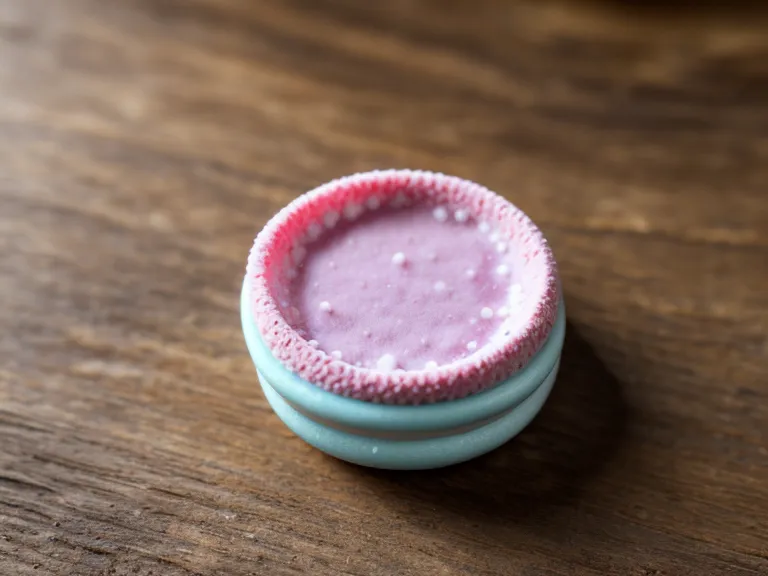
BioDentex ended up parked next to my keyboard for one specific reason that had nothing to do with marketing copy: how long it took to actually dissolve. BioDentex doesn't go down in fifteen seconds like a lot of the chalky, over-sweetened tablets I'd tried before; instead, it sits there slowly for several minutes, which matters more than it sounds like it should.
A tablet that dissolves instantly gets chewed and swallowed out of habit, and once it's in your stomach acid it's not doing anything for the ecosystem living on your tongue and gumline; I covered that mechanical detail in more depth in why lozenge technique changes everything. The slow-melt version coats the back of the tongue and throat without leaving a sticky aftertaste or that fake-sweetener bite, which turned out to be the actual difference-maker during a long afternoon.
Reading the Signals That It's Actually Working
The clearest test wasn't staged at all; it was an unplanned, standing-room architecture sync that ran straight into the daily wrap-up, after already logging close to four hours of back-to-back screen shares. Normally that's the exact scenario where I'd be keeping a polite distance from whoever asked the next question. This time my mouth felt neutral instead of parched, and the stale, heavy feeling along the back of my tongue just didn't show up. I still rate ProDentim highly for broader gum-tissue support, but BioDentex earned the narrower job of getting me through exactly that kind of afternoon.
Outside the office, the clearest confirmation came from someone who wasn't grading anything: these days my wife kisses me goodbye without that half-beat hesitation she used to have before deciding whether to lean in. That's not peer-reviewed evidence by any stretch, but it's the kind of unscripted feedback I trust more than my own notes.
A friend of mine who works in health-data analytics, Asher, won't let himself change more than one variable without running a five-day washout period first, and I've started stealing that habit anytime I swap one product for another. It's a useful filter for telling an actual effect apart from wishful thinking: give the old habit a few days to fully clear before deciding the new one is responsible for anything.
Why I Stopped Reaching for Stronger Rinses
None of this is about finding one miracle product and shelving the subject forever. Pricing on these bottles shifts with batch size and bundling more than people expect, so checking the vendor's current page before buying is worth the extra minute rather than trusting whatever number is floating around online. A reader who manages a dental office in Chicago, Brendan, pointed out once that a lot of that batch-to-batch inconsistency is really a supply-chain and staffing issue dressed up as a formulation question, which reframed how I read those pricing changes going forward.
Managing afternoon breath at a desk job turned out to be less about firepower and more about timing: it's about feeding the residents already living in your mouth instead of trying to clear the whole lot out and hoping the right ones grow back first.