A lozenge that spends a few hours in a hot car glovebox comes out soft and slightly gummy, nothing like the dry snap it had in the bottle.
That texture change is the fastest way to spot heat damage in an oral probiotic, and it's a bigger problem for Austin living than the label on the bottle admits. Supplement storage during a Texas summer is its own skill, separate from picking a good product in the first place, and the short version is this: a sealed secondary container inside a dark interior cabinet beats both the bathroom and the refrigerator for keeping a microbiome health routine on track. Everything below is the reasoning, plus the questions people ask me most once they find out I keep a running log of which brands survive an Austin July and which ones turn into paste.
None of this makes me a dentist or a microbiologist. I'm a guy in tech who fell down a research hole after a dentist's throwaway comment about mouthwash killing more than it fixes. Before oral probiotics were even on my radar, my routine was a twice-daily blast of Listerine Cool Mint, the original alcohol formula, which I now think of less as a hygiene habit and more as a demolition crew for anything living in my mouth. Swapping that habit out for probiotics turned out to be its own adjustment period, not something that happens the day you buy a bottle. The actual tug-of-war between rinsing everything away and trying to grow a healthier population of bacteria is a bigger conversation than storage alone, and one I've gone deep on elsewhere.
Does Texas Heat Actually Kill Oral Probiotics?
Short answer: yes, and faster than most labels imply. Picture your lozenges less like a bag of chips and more like a sourdough starter left out on the counter — the organisms are alive, dormant, and waiting for conditions that tell them to wake up. Most oral lozenges pack something like 3 billion CFU, colony forming units, and that number only means anything if the bacteria are still alive when they hit your tongue. The Streptococcus salivarius K12 and M18 strains that show up in most of these products are happiest below roughly 77 degrees, and a shelf-stable claim on the label rarely accounts for a city where August highs regularly clear 97. Picking the right strain and CFU count in the first place is its own decision tree, one that's separate from anything about where you keep the bottle afterward.
The Bathroom Cabinet Problem
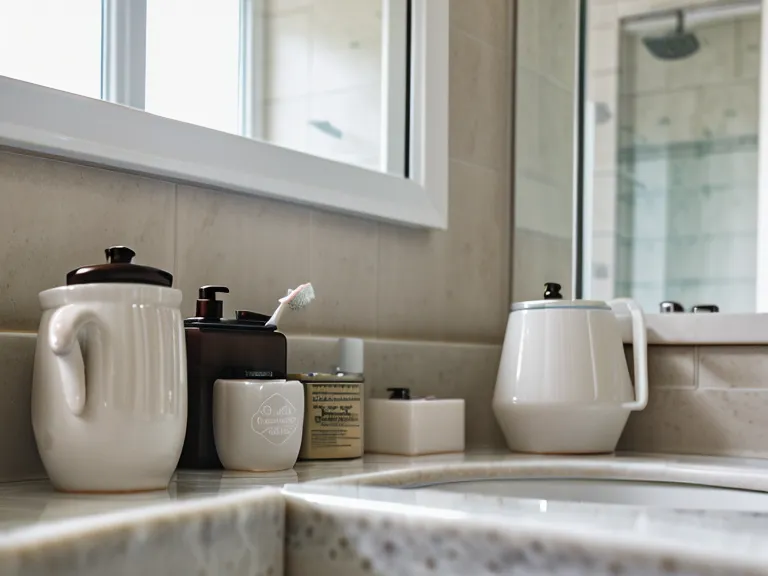
Moving the stash to the bathroom medicine cabinet feels like the obvious fix — it's dim, it's already part of the routine, and it's out of direct sun. It's also close to the worst option if you live somewhere humid, because every hot shower turns that small room into a rainforest for a few minutes. Freeze-dried bacteria are basically desperate for moisture, and a cabinet that fogs up daily is exactly the wrong environment for them. I found this out when I reached for a bottle above my own bathroom sink and discovered the desiccant packet fused solid to the bottom, the seal having lost its fight with the humidity a while back. Once that much moisture gets past a seal, the bacteria treat it as a signal to germinate, find nothing to eat, and die before they ever reach your mouth. That same cabinet still has sticky notes stuck to the mirror tracking lot numbers and how long a given brand takes to dissolve, next to a label edge gone slightly tacky where I keep peeling it back to check the batch code. Treating a living supplement with that kind of casual disregard defeats the purpose if you're already trying to move away from a scorched-earth approach to oral care — I wrote more about that shift in The Morning I Stopped Scorching My Microbiome.
Should You Keep Oral Probiotics in the Fridge During Summer?
The fridge looks like the obvious upgrade once the bathroom is off the table, and it does solve the heat problem. What it introduces instead is condensation — pull a cold bottle out into warm, humid kitchen air and moisture beads on the outside the same way it does on a can of soda left on a porch. That same condensation forms inside the bottle every time you open it, which means daily fridge access can do more damage through moisture than a warm shelf ever would through heat alone. Compartments that run slightly warmer than the main shelves, like a butter or dairy drawer, cut down on that shock without eliminating it. If you're mid-way through a longer reseeding effort to rebuild a wiped-out microbiome, feeding that project a batch of moisture-damaged lozenges just undoes progress you've already made. My rule of thumb: the fridge only earns its keep if your house genuinely can't hold a stable temperature below 80, and even then, let the bottle sit on the counter for a couple of minutes before you open it.
How to Tell If a Lozenge Has Already Gone Bad
Texture is the first tell — a healthy lozenge has a dry, crisp snap, and a heat-damaged one turns soft and slightly gummy before it ever reaches your tongue. Taste is the second test, and a more sensitive one than most people expect. A reader named Nadia Holm, who lives here in Austin and messages me every so often to compare notes on new batches, has a palate sensitive enough to catch flavor notes in a lozenge that I genuinely cannot detect, and she was the one who first flagged a faint sourness in a batch I'd left in a bag longer than I should have. Neither test tells you whether the colony actually survived to do anything useful once it's in your mouth, which is a separate question from whether the product simply looks and tastes fine. If a lozenge fails either check, the safer move is tossing it rather than betting the surviving fraction is enough.
What Actually Works: The Interior Pantry Method
The setup that's actually held up through a full Austin summer is a dark interior pantry shelf, one that doesn't back onto the oven or share a wall with the laundry room, with bottles sealed inside a secondary airtight container (a small gasketed jar does the job better than the flimsy cap most bottles ship with). That double barrier keeps both temperature and humidity steady, which is the whole game with a living supplement. My neighbor Luz, who grows enough herbs on her back steps to stock a small nursery and can tell you exactly which ones the neighborhood strays refuse to go near, stopped by once and asked if I was running a lab out of my home office after spotting the whiteboard where I track brand comparisons in dry-erase columns next to a standing desk buried in granola-bar wrappers. Pairing the lozenges with xylitol gum is supposed to help whatever survives actually stick around in your mouth, though that's a separate habit from where the bottle lives. With that pantry setup, the lozenges keep their dry snap all the way to the last one in the bottle instead of turning gummy partway through.
Does Storage Even Matter If You're Consistent With Everything Else?
It's a fair question, since a handful of dead bacteria in an otherwise fine bottle probably isn't going to ruin your month. What convinced me it's worth the hassle wasn't a lab number, though — it was noticing, partway through an ordinary close conversation, that I wasn't angling my head away or cutting myself short the way I used to. I'll admit correlation and causation are doing a lot of unsupervised work in that observation, and I don't have a clean way to prove it either way. But once you start doing the math on price per billion CFU, watching half a bottle turn to paste in a hot glovebox stops feeling like a minor inconvenience and starts feeling like money down the drain for nothing.
Traveling, Gym Bags, and Short Heat Exposure
Not every heat exposure is a disaster. Carrying a couple of lozenges in your pocket for a walk around Mueller Lake Park on a warm evening is nothing like leaving the whole bottle in a car for an afternoon — duration is what does the damage, not a brief trip outside. Some brands are built to survive exactly this kind of casual travel better than others, which is worth researching separately if you're someone who always has a lozenge rattling around in a bag or a gym kit. The math changes if you're rebuilding your microbiome after a round of antibiotics, since a heat-compromised batch during that recovery stretch wastes effort you don't want to lose. For a quick walk or a short errand, though, a sealed tin in your pocket is fine.
Quick Answers to Storage Questions I Get a Lot
People also ask whether timing matters as much as location — whether taking a lozenge right after a glass of water undoes the storage effort entirely. It does, but that's a question about when you take the thing rather than where you keep it, and it deserves a fuller answer than I can give here. Another common question is whether every strain needs identical storage care, and the honest answer is that different strains get studied for different jobs in the first place, so treating them all as one interchangeable product is an oversimplification. Last one: does the toothpaste sitting in the same cabinet matter? Possibly — some formulas play nicer with a living supplement than others, and what's crowded onto that shelf next to the bottle is worth a second look if you've done everything else right and still aren't seeing results.
None of this is complicated once you treat the bottle like it holds something alive instead of a shelf-stable snack, because that's exactly what it is. If you're wondering whether any of this obsessive tracking is worth it in the first place, the reasoning behind it is in The Austin Microbiome Experiment, which covers why I started paying this much attention to begin with. Keep the bottle cool, keep it sealed, keep it out of the bathroom, and the rest mostly takes care of itself.