
The zing you feel after peeling off a whitening strip may have less to do with your enamel holding up and more to do with which bacteria got wiped out along with the stains. That realization eventually pushed me toward oral probiotics, after enough evenings of wincing through a sip of cold water convinced me that the standard advice for sensitive teeth — wait it out, maybe reach for a tube of potassium nitrate toothpaste — only addresses half of what teeth whitening actually does to your oral microbiome.
Quick disclosure before the technical part: I buy and test every product mentioned here myself, and this site runs on affiliate links, so if you click through and buy something, I earn a commission at no extra cost to you. None of that changes what follows, and I should say upfront that I'm not a dentist (just a guy who reads too many supplement labels on lunch breaks), so if your sensitivity is sharp, constant, or paired with real pain, talk to your dentist before adding anything new to your routine.
Here's the short version: whitening gel can leave teeth feeling more exposed than usual for a while — dentists call it dentin hypersensitivity — partly because the same process disrupts the saliva and bacteria that normally help things settle back down, which is why cold water can suddenly feel like touching a live wire. Pairing the right daytime toothpaste with a nightly lozenge routine is its own decision I've mapped out in a dedicated piece, but swapping toothpaste alone never got me past the worst of it. Backing up that natural process with a targeted oral probiotic, used the right way and at the right time, turned out to be the piece most sensitivity advice skips entirely.
The Bleached Fish Tank: Why Teeth Whitening Trashes Your Oral Microbiome
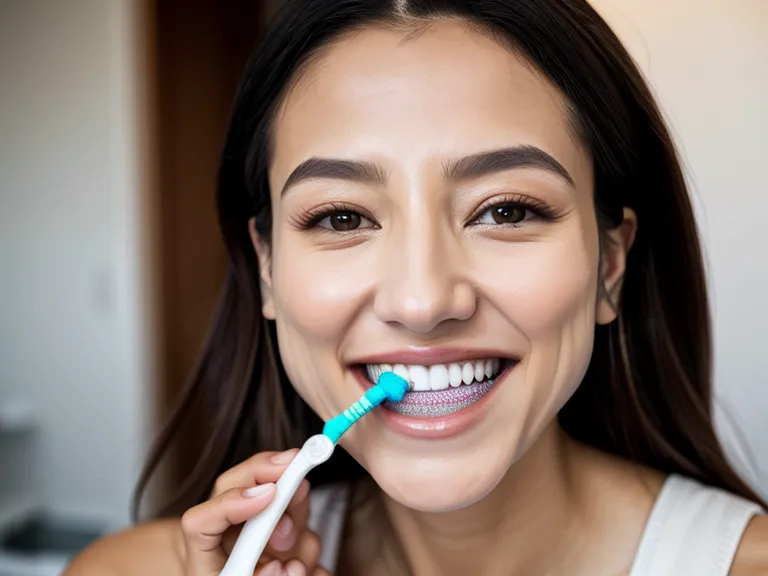
Whitening your teeth is a lot like running an aggressive bleach-wash through a freshwater aquarium. You blast away the ugly brown algae clinging to the glass, sure, but you also nuke the biological film that was quietly keeping the whole tank stable. The water chemistry swings hard for a while, the ecosystem scrambles to find a new equilibrium, and until it does, everything in that tank is a little stressed out.
Your mouth runs a similar script after a whitening cycle, though I won't pretend to understand every step of it, I'm a software guy, not a biologist, and admitting that feels more honest than faking confidence I don't have. The short of it: beneficial bacteria normally keep opportunistic, acid-loving strains from grabbing extra territory, the same way thick ground cover keeps weeds from colonizing bare soil. Restoring that balance (not picking a winner between "good" and "bad" bacteria) is really the whole goal, and it's a topic broad enough that I've given it a dedicated piece of its own.
Technique Matters More Than Strain Count
My first instinct, before I'd even heard of oral probiotics, was to treat the sensitivity like a plumbing problem. I cranked my water flosser to its highest pressure setting, figuring a more thorough clean would flush out whatever was causing the ache. It didn't. If anything, blasting cold water straight across already-raw enamel made that evening noticeably worse, which taught me the issue wasn't buildup at all, it was biological, not mechanical.
Once I switched tracks, I learned fast that technique matters just as much as which strain you're taking. Chewing a tablet and swallowing it in three seconds does almost nothing, because the bacteria end up dissolved in stomach acid instead of sitting against your gums where they're actually useful. Timing relative to brushing matters too — taking a lozenge right after brushing with a standard foaming toothpaste is its own mismatch I've tested and written up separately, and swapping a daily antiseptic mouthwash habit straight into a lozenge routine is a similar adjustment that deserves its own piece rather than a footnote here. For this specific routine, I rinse gently after whitening strips, wait a few minutes, then let the lozenge sit tucked against my gumline until it's fully gone. If you want the full mechanics of why dissolution timing makes or breaks the results, I broke that down in detail in The Lozenge Mistake: Why How and When You Take Oral Probiotics Changes Everything.
The tell that this approach was actually doing something came on an ordinary night when I grabbed a sparkling water straight from the fridge door — normally the kind of ice-cold, carbonated thing that makes my front teeth sing for a few seconds after a whitening round — and swallowed a full mouthful without bracing for it. Nothing happened. No flinch, no sharp intake of breath, just fizz. That's one sign something changed, though it's not the only tell that colonization is actually taking hold rather than sensitivity just fading on its own, and I keep a running list of the others in a separate piece. By the time I'd settled on dissolving lozenges over chewing them, three products had taken over my bathroom shelf: ProDentim, a heavy-hitting multi-strain lozenge; ProvaDent, a broad-spectrum competitor built around oral-support botanicals; and BioDentex, a leaner, budget-friendly chewable. Each one approaches the post-strip sensitivity problem with a slightly different bacterial philosophy.
Should You Pick a Single Strain or a Multi-Strain Blend?
Here's a dynamic most product pages never mention: formulas built around a dense multi-strain colony tend to offer more stable, lasting results, but they take longer to show up than simpler, high-potency single-strain formulas do. Which exact strain you're getting matters here too — my friend Asher, who works in health-data analytics up in Seattle, forwarded me a research abstract on this exact strain-versus-strain question a while back, complete with his usual two-line plain-English summary stuffed in brackets at the top (which is basically how I process half of microbiome research these days). The short version: strain selection isn't a minor footnote, and a full glossary of what each strain is actually studied for is worth a dedicated read rather than a paragraph buried in a comparison post.
A lozenge built around one dominant, high-potency strain tends to shift your salivary pH noticeably within a couple of days, and that feels like fast relief. The catch is durability. Stop taking a single-strain product and the old bacterial baseline tends to rush back fast, the way weeds reclaim an untended flowerbed the moment you stop pulling them. If you're trying to rebuild from something more disruptive than a round of whitening strips (a long course of antibiotics, say), that calls for a longer, more structured reseeding approach than anything covered in this piece.
Multi-strain blends work differently. The 3.5 billion CFU matrix in ProDentim, for instance, takes about seven straight nights of steady dissolving before you feel the buffer kick in, but once those strains settle in alongside your natural flora, the effect holds up better — my teeth stayed noticeably calmer around cold brew and drafty mornings even on days I forgot a dose. If you're weighing formulas specifically on enamel density and gum comfort, I've laid that comparison out in BioDentex vs ProDentim for Strengthening Tooth Enamel and Gum Tissue.
Comparing the Top 3 Options for Post-Whitening Sensitivity
Spend enough time rotating through all three, and distinct personalities start to emerge. None of them are bad products, but they are not interchangeable, and the right one depends on how often you whiten and how much you're willing to manage a routine.
ProDentim Delivers the Deepest Buffer
If you want sustained buffering after an intense whitening cycle, ProDentim is my top pick. Its formula packs 3.5 billion CFU across clinically studied strains like Lactobacillus paracasei, B. lactis BL-04, and Lactobacillus reuteri, paired with inulin to feed the incoming colony. The lozenge takes roughly five to seven minutes to fully dissolve if you tuck it against the gumline, giving the strains time to bathe the sensitive front enamel.
The flavor is mild spearmint — never sharp or stinging, which matters when your teeth already feel like exposed nerve endings. Current pricing lives on the vendor's page and shifts with supply, but for deep ecosystem stabilization after chemical whitening, this proved the most resilient option on my shelf.
ProvaDent Freshens Fast, But Fades Sooner
Next up is ProvaDent. Where ProDentim leans on dense multi-strain colonization, ProvaDent blends its cultures with targeted oral-support ingredients like cranberry extract and purple carrot powder. It's particularly good if your post-whitening sensitivity comes bundled with that dry, chalky morning-mouth feeling bleach strips often trigger — how much saliva you're producing in the first place changes how any of these products perform, and that's its own issue for people dealing with chronic dry mouth, which I've dug into separately.
It dissolves slightly faster than ProDentim, usually under four minutes, and delivers great immediate breath freshness. It doesn't offer quite the same lingering buffer against intense cold drinks over time, but it remains a strong runner-up. Pricing varies, so check the vendor's site for current bottle details.
BioDentex Keeps It Simple and Cheap
If you want a no-nonsense lozenge that doesn't stretch your monthly supplement budget, BioDentex gets the job done cleanly. It has a slightly crisper texture and a clean peppermint profile — the day-to-day fuzzy-versus-slick feeling on your teeth is its own signal worth tracking separately from sensitivity, if texture is what you actually care about. Its strain diversity is narrower than ProDentim's, but it provides a solid salivary pH bump that helps keep the oral cavity out of the acidic danger zone while your saliva does its remineralizing work.
I often point friends who only whiten occasionally before big events toward BioDentex rather than toward a more complex regimen. If you want the actual price-per-CFU math across all three brands, I ran those numbers in a separate breakdown; the short version is that BioDentex wins on value for occasional whitening, while ProDentim's higher cost earns its keep for anyone chasing the deepest, most durable buffer. As always, current price lives on the vendor's page.
If surface staining is the bigger worry for you rather than sensitivity, that's a slightly different decision tree I've mapped out on its own. And if post-meal acid wear is a recurring issue outside of whitening season, my guide on How to Choose an Oral Probiotic for Enamel Support After Acidic Foods covers daytime maintenance in more depth than fits here.
Keeping the Brightness Without the Zing
The real test came on an ordinary night after another round of touch-up strips, a gentle brush with a soft-bristled toothbrush, and a cautious sip of ice water from my desk tumbler. No electric shock, no clenched jaw, just cold water doing what cold water should do.
A reader named Brendan Shea, who manages a dental office in Chicago and has commented on nearly everything I've published, diplomatically called me out once for treating "felt less reactive" like a measurement instead of a self-reported impression. He's right to needle me about that, so I'll say it plainly: everything in this piece comes from personal testing, not a clinical trial. What a maintenance routine looks like well beyond this stretch is a longer story I've tracked in its own follow-up; the goal here is narrower — getting through a whitening cycle without wincing. None of this means whitening has to be a bet against your own enamel. Pairing a responsible bleaching routine with a targeted nightly lozenge gives your saliva room to do its remineralizing work without a hostile mouth working against it, and for my money, the multi-strain matrix in ProDentim remains the most reliable long-term buffer against post-strip sensitivity, the clear anchor of my own routine.