Twelve weeks. That's how long I let this particular experiment run before trusting the pattern enough to write any of it down, and tracking how my own molars feel by mid-afternoon is not exactly glamorous research. Lunch in Austin rarely plays nice with teeth — habanero salsa, pickled jalapeños, a lime so aggressive it could strip paint off a fence. Most days that means walking over to the food trucks parked near Central Market on North Lamar, picking whatever has the angriest-looking salsa bar, and being back at my desk reviewing pull requests before the heat even fades. This is the afternoon oral health routine that replaced my old scorched-earth habit, a slower system built around patience, water, and an oral probiotic lozenge instead of chemical overkill.
Quick disclosure before this gets into product territory: there are affiliate links scattered through the rest of this post, and if you click through and buy something, I earn a small commission at no extra cost to you. I only talk about things that have actually lived in my bathroom cabinet long enough to form an opinion, and the usual transparency page has the full breakdown if you want it.
The Mouthwash Habit I Couldn't Quit
For years my post-lunch ritual followed the same panic loop. The second I swallowed the last bite of something spicy, I would sprint to the bathroom, grab the most aggressive whitening paste I owned, and scrub like I was sanding rust off a pipe. Then I would chase it with a capful of bright blue antiseptic rinse, swishing until my eyes watered, because burning felt like proof it was working.
Somewhere in there I also went through a phase of tongue scraping with a stainless steel scraper after every single meal, dragging it across my tongue in the office bathroom like I was competing for some invisible cleanest-mouth trophy. It did not fix the sour, stale feeling that crept in by mid-afternoon. If anything, scraping that hard just left my tongue raw and did nothing for whatever was actually happening down in the grooves of my molars.
A dentist managed to knock that whole approach loose during a routine cleaning, mentioning almost as an aside that my go-to mouthwash was killing off the bacteria I wanted to keep right alongside the ones I did not, like torching an entire garden bed because a few weeds showed up. That sentence sent me down a research rabbit hole into the oral microbiome that I still have not fully climbed out of. I am not a dentist, not a microbiologist, and have no medical training of any kind, just someone who spends an unreasonable number of lunch breaks reading ingredient decks. (Talk to your own dentist before changing anything about your own routine — I cannot stress that enough.)
What really stuck with me is how counterproductive the timing of all that scrubbing was. Acidic food — citrus, vinegar, spicy salsas swimming in lime juice — knocks your mouth's chemistry off balance for a while after you eat. Scrub right into that window with an abrasive paste and you are grinding against enamel that is temporarily softer than usual, which is the opposite of helpful. The alcohol-heavy rinse made things worse by drying everything out and stripping away the saliva that is supposed to be doing the neutralizing in the first place.
Why Does Waiting Beat Scrubbing?
Earlier this year I tested a completely different approach, mostly out of desperation during a brutal multi-month sprint cycle at work. Back-to-back standups, nonstop dark roast coffee, and hours talking into a USB microphone meant my mouth rarely got a break from acid, caffeine, or plain old dryness from staring at a screen.
Standard advice says brush after every meal, but remote workers who are drinking coffee every ninety minutes and eating something spicy for lunch are basically living in a state of low-grade acidity all day. Brushing every single time you eat something acidic just wears the enamel down faster. So instead of rushing to the sink, I started doing something that felt almost too simple: nothing, for a while.
My new post-lunch ritual began at my desk with a big glass of plain, room-temperature filtered water, no scrubbing, just swishing it around to dilute whatever spice or acid was still clinging to my teeth, then letting my mouth recover on its own before doing anything else. Saliva is basically your mouth's own irrigation system, and if you are dehydrated from air conditioning and capsaicin, your teeth sit in a weak acid bath longer than they need to. Giving that system room to work, rather than following it immediately with a toothbrush, turned out to matter more than I expected. I use roughly half an hour as my own rule of thumb now, though I have never actually timed it with a stopwatch.
If you have looked into how to choose an oral probiotic for enamel support after acidic foods, you already know that protecting your mouth's own buffering ability matters as much as anything you add to it. Brushing immediately after acidic food was never really a hygiene win, it was just me wearing down my own defenses faster.
Seeding the Garden with BioDentex
Once that buffer window passed, instead of reaching for another bottle of stinging rinse, I started thinking about recolonization instead of destruction. My neighbor Luz Navarro, who treats her backyard like a bacterial research station, likes to point out that whichever herbs she plants most aggressively end up being the ones the stray cats on our block avoid completely, which is a weirdly perfect way to think about what happens when you carpet-bomb a microbiome. Strip the topsoil and something is going to move in regardless; the only real question is whether you get to pick what.
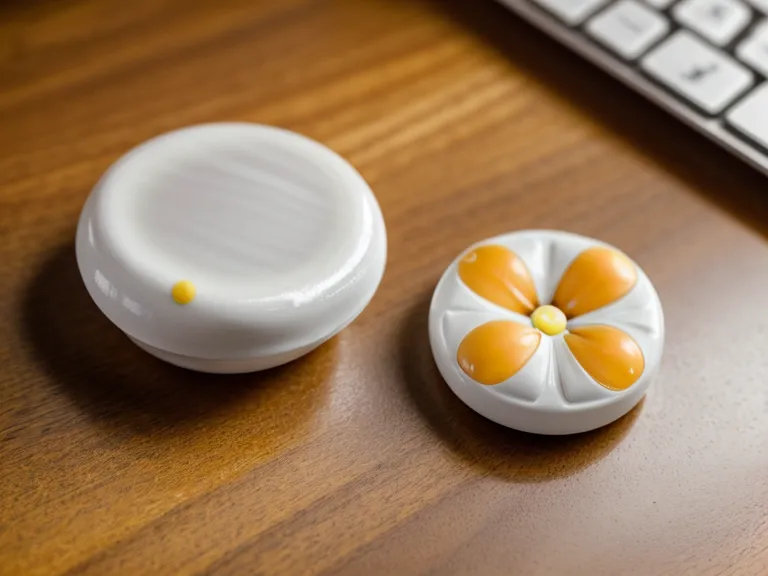
In your mouth, the opportunistic squatters are usually the volatile sulfur compound producers, the exact bacteria behind that heavy, sour afternoon breath that shows up right as a meeting starts running long. So I started testing BioDentex, which I had picked up as one of the more accessible options sitting in my ever-expanding bathroom cabinet. Rather than swallowing it like a gut supplement, it works through direct contact — after the water rinse and the buffer window, I let one lozenge dissolve slowly against the roof of my mouth while working through code review.
There is a strange texture shift that happens right near the very end of a lozenge, where it goes from faintly gritty to almost glassy-smooth in a matter of seconds. It still catches me off guard most afternoons. A reader named Nadia Holm, who messages me now and then to compare notes, swears she picks up something close to green tea in the aftertaste of that same lozenge — I genuinely cannot taste it, which probably says more about the range of human palates than it does about the product itself.
By week twelve, a quick check on my back molars during a midafternoon break came back slick instead of fuzzy, four afternoons running, a kind of consistency that had not shown up before. In the old routine, by this point in the day I would have been chewing artificially sweetened mints that were probably feeding the exact bacteria causing the problem in the first place. Instead I just felt neutral, not minty, not stripped, just normal. I wrote about the strain behavior behind that specific kind of afternoon staleness a while back, in a longer piece on why BioDentex is my go-to for afternoon dragon breath at the office.
The Desk Routine Finally Stuck
None of this requires a twenty-minute spa break between meetings, which is good, because remote work does not hand out twenty-minute breaks. Right after the last bite, I swish a full mouthful of room-temperature water around for a few seconds and spit it out, which clears loose debris and dilutes whatever acid is still sitting there without any scrubbing involved. Then I do essentially nothing for a while, no toothbrush, no floss, just triaging my inbox or reviewing a pull request while my own saliva does the neutralizing work it is built to do. If something is genuinely stuck between my teeth I will use plain floss or a very soft dry brush, and I have written separately about whether you should bother taking oral probiotics right after brushing if you like your routine sequenced in a specific order. Once that buffer has passed, I pop a lozenge like BioDentex and let it dissolve on its own, without biting into it, so the strains actually have time to stick to my tongue and gumline instead of getting swallowed in a hurry. For the twenty or thirty minutes after that, I try not to drink coffee or snack, mostly because it seems pointless to let bacteria get comfortable just to immediately rinse them back out.
Working With Biology, Not Against It
Switching from a scorched-earth mindset to something closer to tending a garden changed how I think about daily health habits generally. For years I treated my own mouth like a surgical suite that needed constant sterilizing, which is a strange thing to do to a body part that is supposed to host trillions of organisms as a baseline condition. Finding out that my old rinse was probably causing the dry, stale breath I was trying to prevent in the first place was a humbling thing to sit with. There is a standing desk in my office that is basically a graveyard of granola bar wrappers at this point, and a whiteboard propped against the wall nearby with columns comparing every bottle I have tested, which either means I take this too seriously or that ranking things by what actually works is the only way any of this testing holds together.
Oral probiotics are not magic, and they do not replace actual dental visits, flossing, or whatever your own dentist tells you about your specific teeth. But if I had to boil this particular stretch of testing down to one lesson, it is that sequence matters more than any single product: a good lozenge dropped right after a scrub-and-burn session barely gets a chance to do anything, while the same lozenge after a water rinse and a real buffer window actually sticks around long enough to matter. You can check current pricing and availability for BioDentex on their official site, since stock and bundles shift over time. For me, keeping a few lozenges next to my keyboard has made fiery Austin lunches a lot less annoying by the time my afternoon meetings roll around.