
One evening late last spring, my wife rinsed her mouth and stared down at pink foam in the sink. She was rattled by how suddenly her gums had started bleeding during routine flossing. She had always taken meticulous care of her teeth, so watching the sink basin turn pastel crimson felt completely out of nowhere.
A few days later, around the start of the second trimester, her dentist nodded with zero surprise. He told us she had classic pregnancy gingivitis. Major public health surveys from groups like the Centers for Disease Control and Prevention and the American Dental Association estimate that roughly 60% to 75% of pregnant women experience this exact gum tissue flare-up. Her dentist explained that surging hormones essentially cranked up blood flow to the gingival tissue, making everything tender and hyper-reactive. Then he handed her the standard ultra-soft toothbrush and sent us on our way.
As someone who works remotely in tech and spent the previous 18 months obsessing over oral microbiology—filling our Austin bathroom cabinet with dozens of half-used bottles of bacterial cultures—my brain immediately went into overdrive. I spent my lunch breaks hunched over my laptop, combing through research summaries to see how systemic hormone swings completely reshape the oral ecosystem, and whether targeted friendly microbes could actually offer a supportive cushion.
The Hormonal Greenhouse: Why Pregnancy Gums Get So Reactive

Before jumping into strain numbers and lozenge textures, it helps to understand what is actually happening inside the mouth when someone is expecting. If you treat the oral cavity like a managed fish tank, pregnancy changes the underlying water chemistry overnight. Surging levels of progesterone and estrogen do two distinct things: they dial up vascular permeability in the gum pockets, and they alter the biochemical composition of your saliva.
Suddenly, the tiny crevices along the gumline (the gingival crevices) produce more nutrient-rich fluid. Certain anaerobic bugs—specifically opportunists like Prevotella intermedia—treat this extra hormonal presence like high-octane fuel. They thrive on it. Even if your daily flossing technique has not slipped by a millimeter, the bacterial balance tilts. Your immune system spots these flourishing colonies and sends an aggressive inflammatory response to the margin of the tooth, resulting in puffy, tender, bleeding tissues.
A lot of people react to this by scrubbing harder or reaching for harsh, alcohol-laden mouthwashes. But in my experience running personal experiments on my own mouth, scorch-earth tactics backfire. Blasting the mouth with antimicrobial rinses wipes out the beneficial commensal bacteria right alongside the troublesome species. And when the landscape is cleared, the weed-like pathogens are often the first to sprout back. That realization brought us to the question: can introducing beneficial bacterial strains help keep the peace?
The Swallowed Capsule Trap (And Why Delivery Format Matters)
The first trap most people fall into when researching probiotics during pregnancy is grabbing an ordinary swallowed capsule. Prenatal multivitamins often package general digestive probiotics together, and while those might be wonderful for maternal gut comfort, they do virtually nothing for gum tissue.
Oral probiotics operate on a completely different mechanical principle than gut supplements. Gut microbes are encapsulated in enteric coatings designed to survive stomach acid and unpack in the intestines. But the mouth is a high-shear environment. Every swallow, every sip of water, and every word spoken creates fluid dynamics that wash unattached bacteria straight down into the stomach.
For a friendly strain to help gum tissue, it needs direct, sustained physical contact with the teeth, saliva, and mucosal lining. It has to colonize or temporarily adhere to the biofilm, competing directly with inflammatory bacteria for real estate and food. If you swallow a capsule in two seconds with a glass of water, those bacteria never touch your subgingival margins. They are gone before they can say hello.
That is why slow-dissolving lozenges or chewable tablets designed to melt slowly against the gumline are the only formats worth considering here. When we looked at periodontal clinical literature evaluating strains like Lactobacillus reuteri and Streptococcus salivarius, the protocol almost universally relied on slow-melt lozenges delivering between 1 billion to 3 billion CFU (colony forming units). The goal was not mass sheer volume, but lingering contact time along the gum margin.
The Shifting pH Problem: Why Standard Oral Strains Often Fail
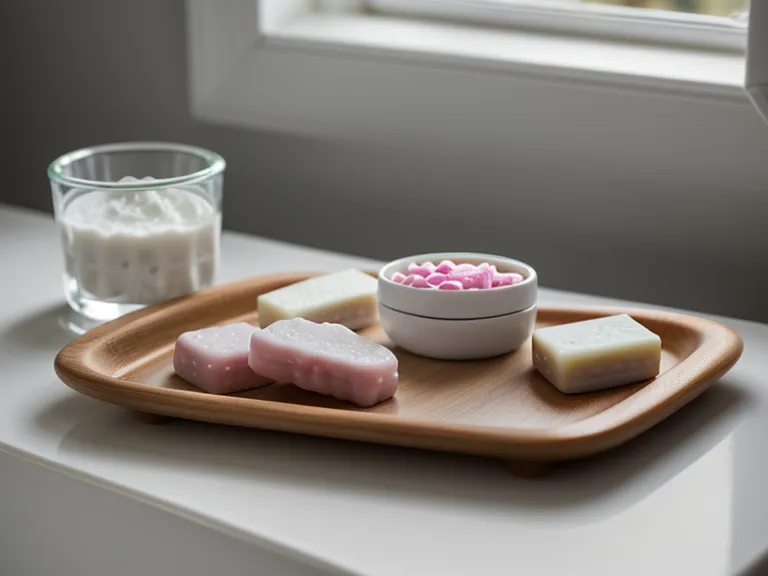
Here is something I rarely see discussed in generic wellness roundups: standard oral probiotics often fail during pregnancy because they completely ignore how pregnancy alters oral pH. To understand why, you have to look at how an expectant mother\'s mouth environment actually shifts from week to week.
During pregnancy, resting salivary pH frequently drops, becoming more acidic. This happens for several reasons: slight changes in salivary flow rates, frequent snacking to manage nausea, and sometimes mild acid reflux or morning sickness. Many off-the-shelf oral probiotic tablets rely solely on gentle dairy-derived strains that prefer a strictly neutral pH around 7.0. Drop them into a slightly more acidic, high-hormone environment, and they simply go dormant or get outcompeted by acid-tolerant bacterial populations.
Think of it like tending a sourdough starter. If you alter the hydration level and ambient temperature of your kitchen, certain wild yeasts flourish while others stall. If you want beneficial bacteria to colonize gum pockets during the second or third trimester, those strains must be naturally resilient against lower pH thresholds while producing mucosal barrier benefits.
In our research, strains that exhibited robust acid-tolerance profiles were the ones that held up best. For instance, specific dual-strain preparations of Lactobacillus reuteri (particularly combinations of ATCC PTA 5289 and DSM 17938) have shown remarkable endurance in varying oral pH settings while producing reuterin—a natural antimicrobial compound that inhibits gum-irritating anaerobes without scorching surrounding tissues. If you have read my previous notes on best oral probiotics for red gums and daily plaque control, you know how crucial strain persistence is when gum margins are chronically irritated.
The Bathroom Rug Inspection: Reading Labels Under a Phone Flashlight
I distinctly remember sitting cross-legged on the bathroom rug late at night, squinting at strain designations printed in micro-font under a phone flashlight. My wife was already asleep, exhausted by the physical demands of carrying a tiny human, and our porcelain counter was cluttered with six different lozenge bottles I had ordered over the previous year. The cool tiles chilled my bare feet while I turned each bottle slowly in my hands, trying to separate legitimate clinical formulations from marketing fluff.
A lot of brands print a shiny label boasting "50 Billion Probiotics!" on the front, but when you shine a light on the back panel, it is an indiscriminate proprietary blend containing zero strain identifiers. In the probiotic world, listing just the species name—like Lactobacillus acidophilus—without the alphanumeric strain code (like LA-14 or DSM 17938) is like buying a dog and only being told it is a "canine." You don\'t know if you are getting a gentle Golden Retriever or a 150-pound guard dog. Different strains within the exact same species do entirely different things.
When selecting a product during pregnancy, clarity is non-negotiable. If a brand refuses to disclose its exact strain designations, leave it on the shelf. You want to see the specific letters and numbers after the species name so you can verify what that exact organism has actually been studied for.
The Prenatal Safety Filter: Clean Sweeteners and Inactive Ingredients

Before we go any further, an essential reality check: I am not a dentist, an OB-GYN, or a health professional of any kind. I am just a curious tech worker who reads clinical summaries during lunch breaks. Pregnancy is not a time for unvetted self-experimentation. Every single supplement profile my wife considered went straight onto an index card and was handed directly to her prenatal care team at her next appointment.
When vetting oral lozenges through a prenatal safety lens, the inactive ingredient list matters almost as much as the live bacteria. Because these tablets sit in your mouth for several minutes, what holds them together gets dissolved and absorbed directly through the oral mucosa. Here is what we specifically watched out for:
- The Sweetener Choice: Steer completely clear of anything sweetened with fermentable sugars like sucrose or dextrose. Feeding oral bacteria sugar while trying to calm inflamed gums is like throwing kindling on a camp fire. Look for products sweetened with 100% birch-derived xylitol, erythritol, or clean stevia leaf. Xylitol is particularly useful because oral pathogens cannot ferment it, which starves unwanted plaque-forming organisms while the lozenge dissolves.
- Artificial Colors and Preservatives: During pregnancy, simplicity wins. Avoid lozenges loaded with artificial food dyes, harsh chemical stabilizers, or synthetic flavorings designed to make them taste like bubblegum. A clean, subtle natural mint or mild berry flavor is far less likely to trigger sudden taste aversions or morning nausea.
- Unnecessary Herbal Additives: Many standard oral hygiene tablets toss in herbal extras—like high-dose goldenseal, tea tree oil, or various botanical extracts. While fine for the general public, many concentrated herbal extracts carry questionable safety profiles or insufficient clinical data during pregnancy. Stick to simple formulations focused squarely on well-characterized probiotics and basic inert binders.
Her prenatal team reviewed the shortlisted strain profiles, checked the inactive ingredients, and gave her the green light to use them as an adjunct to her daily flossing, not as a replacement for dental hygiene visits.
How and When to Take Them: The Bedtime Contact Strategy

How you take an oral probiotic lozenge determines whether you get genuine barrier benefits or simply waste fifteen dollars a week. If you chew it up and swallow it down with a glass of water like a breath mint, you have defeated the entire purpose.
I learned this the hard way during my own initial experiments, which I broke down in detail when writing about the lozenge mistake: why how and when you take oral probiotics changes everything. The single best window to take an oral probiotic is right before sleep, after finishing your complete oral hygiene routine.
Here was the nightly sequence we settled on:
- Gentle mechanical plaque removal: Floss thoroughly but gently using expanding floss (which is softer on swollen pregnancy tissue), followed by careful brushing with an extra-soft manual brush. No aggressive scrubbing.
- Wait out any residual toothpaste: If using a standard fluoridated or xylitol toothpaste, spit thoroughly and avoid rinsing with water. Let the mouth settle for about ten minutes so strong surfactant foams disperse.
- The slow melt: Place the lozenge in the mouth—tucked between the upper cheek and the gumline works best—and allow it to dissolve completely on its own without chewing. This usually takes anywhere from five to ten minutes.
- The overnight quiet: Do not eat, drink, or rinse afterward. Going straight to sleep allows the friendly bacteria to linger undisturbed in the low-saliva environment overnight, giving them hours to establish a foothold along the gingival margins.
On nights when nasal congestion forced mouth-breathing (another common pregnancy joy), the resulting oral dryness made the tissue even more vulnerable. While dealing with that, we found that maintaining steady hydration during the day and letting the lozenge dissolve slowly at night helped prevent that parched, sticky feeling. If you have ever dealt with medication-induced dryness, you know that keeping the oral mucosa lubricated is half the battle; I once wrote about finding the best oral probiotics for dry mouth after taking allergy medication, and the fundamental principle of protecting dry mucosal barriers is surprisingly similar here.
What Happened After Three Weeks of Daily Use
After about three weeks of daily lozenges, the bathroom sink looked noticeably different. The dramatic pink foam after flossing had receded to occasional, faint pinpoint bleeding in just one stubborn molar spot. Her gum margins looked visibly less swollen and held a calmer, firmer pale-pink hue rather than the angry, puffed crimson that had freaked her out late last spring.
Did the probiotics "cure" pregnancy gingivitis? No, and claiming so would be dishonest. Her systemic progesterone levels remained sky-high, meaning the underlying physiological vulnerability was still very much present until delivery. What the targeted oral lozenges did was provide a microbial buffer. By maintaining a high population of acid-adapted, friendly bacteria along the tooth margins, the aggressive inflammatory opportunists had far less space to colonize.
Think of it like laying down thick organic mulch in a flowerbed during spring rains. The rain (hormones) is still going to pour down, and the soil will still want to produce weeds. But the mulch creates a protective barrier that keeps opportunistic weeds from running rampant over the delicate roots.
The Final Takeaway for Expecting Parents
If you or your partner are staring at unexpected pink in the sink, do not panic, and do not double down on harsh antibacterial rinses that obliterate your oral ecology. Hormonal gingivitis is an incredibly common physiological response, affecting the vast majority of expecting mothers at some point during pregnancy.
When selecting an oral probiotic to support your gums through this stage, keep your criteria brutally simple:
- Choose slow-dissolving lozenges over swallowed capsules or fast chews to maximize physical mucosal contact time.
- Look for transparent labeling showing specific, clinically backed strains (such as acid-tolerant L. reuteri or S. salivarius) within the 1 billion to 3 billion CFU range.
- Check the inactive ingredients for non-cariogenic sweeteners like pure xylitol, while avoiding artificial food colorings and unverified herbal extracts.
- Take the lozenge at night right before bed, letting it melt slowly without chewing, and always show the exact ingredient profile to your prenatal care team first.
Navigating the physical surprises of pregnancy is already an overwhelming process. Treating your oral microbiome like a delicate, living garden that needs gentle support—rather than a battleground that needs harsh sterilizing—can make the months ahead much more comfortable for your smile.